CONFERENCE ROOM TECHNOLOGY • VIDEO • AUDIO • REMOTE MEETINGS

Conference Room Technology for Better Video Meetings

Build a conferencing room where people can see, hear and collaborate clearly. Teleportel brings video conference cameras, displays, audio, room controls and remote communication together into practical meeting room and conference room solutions.

Conference room technology and video conferencing system
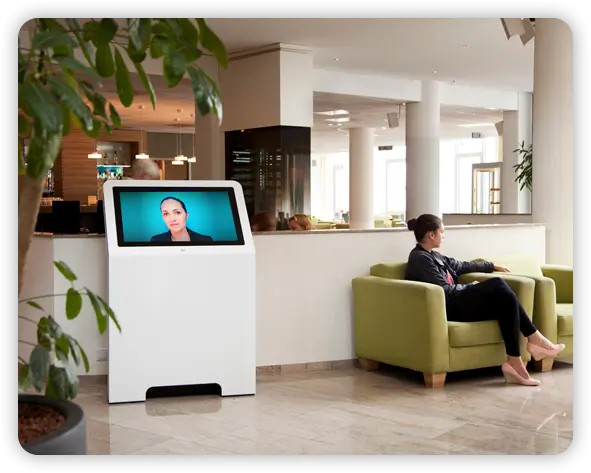
Video conference room with remote communication technology
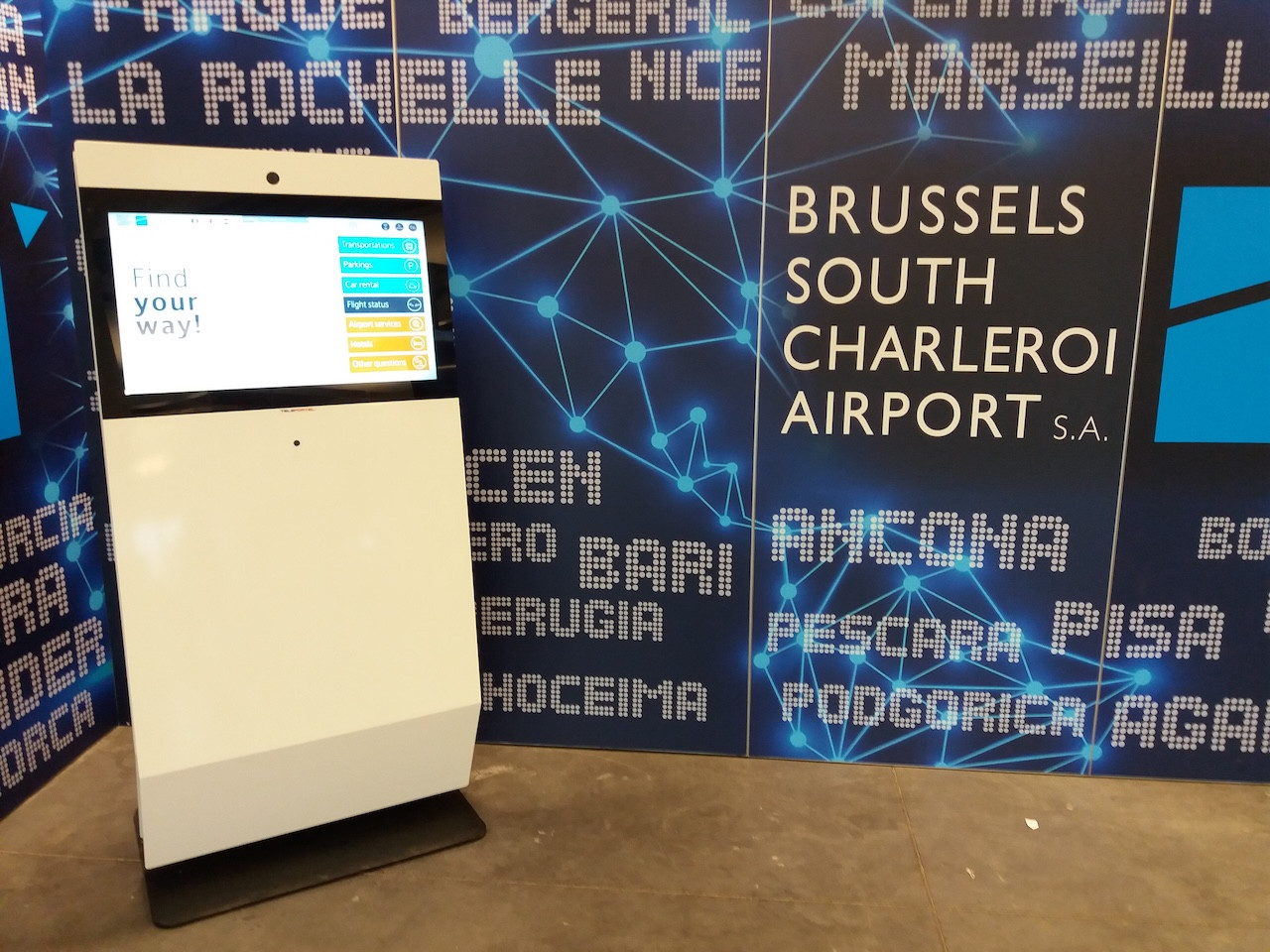
Meeting room audio video technology and display
Conference Room • Video • Audio • Collaboration
CONFERENCING ROOM

A conference room should make remote communication feel natural

A good conference room setup for video conferencing is more than a camera and television. Camera placement, microphones, speakers, displays, room acoustics, connectivity and simple controls must work together so participants can focus on the meeting rather than the equipment.

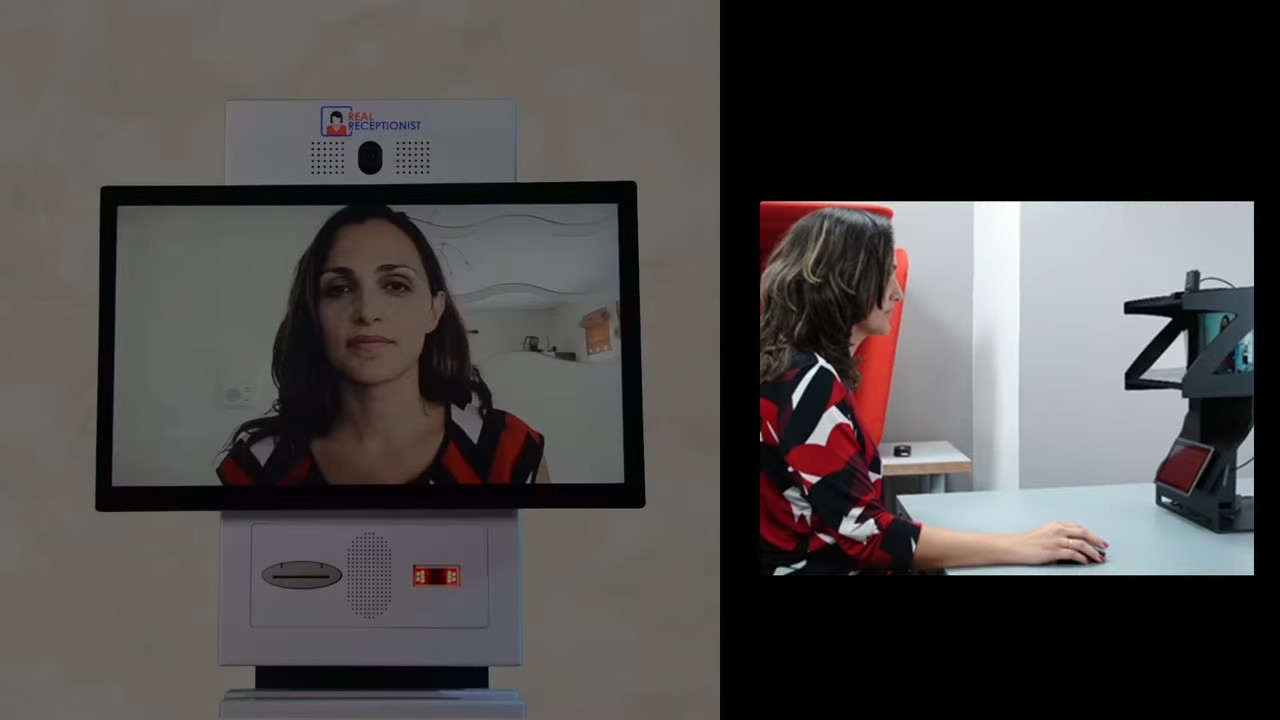
Conference room audio video equipment and meeting room technology
MEETING ROOM TECHNOLOGY

Bring the essential conference room equipment together

A connected meeting environment brings remote video, audio and digital interaction together so the room is reliable and simple to use.

  • Video conference camera and room video
  • Microphones, speakers and clear room audio
  • Video conference TV or professional display
  • Remote participant communication
  • Simple user interaction and room controls
  • Meeting room AV equipment integration
  • Small, medium and large-room considerations
  • Network and connectivity planning
  • Consistent multi-room deployment
CONFERENCE ROOM EQUIPMENT OVERVIEW

Conference Room Audio Video Solutions: 5-Star Building Blocks

A practical video conference room combines visual, audio, display, connectivity and control components into one usable meeting experience.

Conference room building blockSolution importance
Video Conference Camera★★★★★
Room Microphones & Voice Capture★★★★★
Speakers & Remote Participant Audio★★★★★
Video Conference Display / TV★★★★★
Conference Room AV System★★★★★
Video Conferencing Connectivity★★★★★
Simple Meeting Controls★★★★★
Room Layout & Camera Positioning★★★★★
Audio Coverage & Acoustics★★★★★
Large Conference Room Coverage★★★★★
Remote Meeting Experience★★★★★
Integrated Meeting Room Technology★★★★★

Technology overview: the stars identify core building blocks discussed on this page; they are not product-review scores or third-party ratings. Exact equipment depends on room dimensions, capacity, acoustics, meeting requirements and selected integrations.

CONFERENCE ROOM SYSTEMS

What goes into a video conferencing room setup?

The strongest conference room systems are designed as a complete experience rather than a collection of unrelated devices.

Video Conference Camera

Choose camera coverage and positioning that allow remote participants to see the people in the room clearly.

Conference Room Audio

Microphones and speakers should provide clear two-way conversation across the intended seating area.

Video Conference Display

Use an appropriately sized display so remote participants and shared content remain visible throughout the room.

Meeting Room AV Equipment

Connect cameras, audio, displays and supporting devices into a coordinated room solution.

Room Controls

Keep meeting startup and everyday controls straightforward so users can begin a call without technical complexity.

Connectivity

Plan network, cabling and device connections around reliable video and audio communication.

Room Design

Consider seating, sightlines, camera angles, lighting and acoustics as part of the video conference room design.

Large Room Coverage

Larger spaces may require broader camera views, additional microphones, stronger audio coverage and larger displays.

Remote Communication

Design the room around both local and remote participants rather than only the people physically present.

A video conference setup is a complete room experience. The camera matters, but intelligible audio, suitable displays, room layout, lighting, connectivity and easy operation are equally important.
Video conference room design and AV system

Design the conference room around the conversation

Start with how many people use the room, where they sit, what remote participants need to see and hear, and how content will be shared. From there, camera, audio, display and control choices can be matched to the real meeting environment.

EXPLORE SETUP QUESTIONS
CONFERENCE ROOM QUESTIONS

Conference room technology, equipment and video setup

Direct answers about conferencing rooms, meeting room technology and audio visual conference room equipment.

Question

What is a conferencing room?

Answer: A conferencing room is a meeting space equipped so people in the room can communicate and collaborate with remote participants. A modern setup typically combines video, audio, displays, connectivity and meeting controls.

Question

What conference room technology do I need?

Answer: Requirements depend on room size and use, but common components include a video conference camera, microphones, speakers, one or more displays, network connectivity and a simple way to control or start meetings.

Question

What conference room equipment is essential?

Answer: Essential equipment normally covers video capture, voice capture, audio playback, visual display and connectivity. Room layout, lighting and acoustics also affect how well that equipment performs.

Question

What is a video conference camera?

Answer: A video conference camera captures meeting-room participants for people joining remotely. Selection should account for room dimensions, seating position, field of view and the participant detail required.

Question

What are conference room audio video solutions?

Answer: They combine the equipment required to see, hear and communicate with remote participants, including cameras, microphones, speakers, displays, room controls and supporting connectivity.

Question

What is meeting room technology?

Answer: Meeting room technology is the collection of systems used to support in-room and remote collaboration, including conferencing video, room audio, displays, controls and connectivity.

Question

What is a conference room system?

Answer: A conference room system brings the room's communication components together so they operate as one meeting environment instead of separate pieces of equipment.

Question

How do I set up a video conference room?

Answer: Begin with room size, seating and meeting requirements. Plan camera view, microphone coverage, speaker placement, display visibility, lighting, network connection and user controls, then test the experience remotely.

Question

What meeting room AV equipment should I consider?

Answer: Consider cameras, microphones, speakers, displays, control interfaces, connection hardware and room-specific integration. The right combination depends on how the room is used.

Question

How should I plan a video conferencing system for a conference room?

Answer: Define capacity and room dimensions first, then map camera sightlines, microphone pickup, speaker coverage and display viewing distances. The final system should make local and remote communication natural.

Question

What is the best conference room setup for video conferencing?

Answer: The best setup is matched to the room and its users. A small room and a large boardroom need different camera coverage, audio design and display sizes.

Question

How should conference room equipment be set up?

Answer: Position equipment around clear sightlines, good voice pickup, intelligible audio and comfortable display viewing. Plan cabling, network access and controls so everyday use remains simple.

Question

What is a video conference TV?

Answer: The phrase usually refers to a television or display used to show remote participants and shared content during a video meeting. Screen size and placement should match room size and viewing distance.

Question

What are conference room AV systems?

Answer: Conference room AV systems integrate audio and visual components such as cameras, microphones, speakers and displays, often with controls and connectivity that let them operate as one room solution.

Question

What should a video conference room design include?

Answer: Consider seating, camera sightlines, display position, microphone coverage, speaker placement, lighting, acoustics, cabling and user controls.

Question

How is large conference room video conferencing different?

Answer: Large rooms generally need wider or multiple camera views, broader microphone coverage, sufficient speaker distribution and displays readable from greater distances. Acoustic planning also becomes more important.

Question

What is audio visual conference room equipment?

Answer: It includes devices that capture, reproduce and display meeting audio and video, together with the connections and controls required to make those devices usable as a room system.

Question

How do I improve a video meeting setup?

Answer: Test what remote participants actually experience. Check whether everyone can be seen and heard, whether displays are readable and whether users can start and control meetings without unnecessary steps.

Question

What should I consider when choosing a video conference display?

Answer: Consider room size, viewing distance, participant count, shared-content needs, mounting position and available connections to the conferencing system.

Question

How do I set up video conferencing in multiple meeting rooms?

Answer: Establish a repeatable room standard where possible, then adapt camera, audio and display requirements to each room's dimensions. Consistent controls make multiple rooms easier to operate and support.

VIDEO CONFERENCE ROOM SETUP

Six steps for planning a practical conference room

Start with the room and the people using it, then select technology around the meeting experience.

1. Define the Room

Measure the space, understand seating capacity and identify the meetings the room must support.

2. Plan the Camera

Choose the viewing angle and position required to capture participants naturally.

3. Design the Audio

Make sure microphones capture speakers and room audio is heard clearly throughout the space.

4. Size the Display

Position and size displays so remote participants and shared information remain readable.

5. Connect & Control

Plan connectivity and give users a straightforward way to start and manage meetings.

6. Test the Experience

Join remotely and verify camera framing, sound, display visibility and ease of operation.