
REMOTE CALL CENTER DEMO
Customer care delivered to the physical entrance
See how a remote service experience can become part of the reception journey instead of being limited to a telephone conversation.
Teleportel brings call center and customer care into the visitor journey. Combine remote human assistance, live video reception, intelligent kiosks, visitor management, identity and document workflows, access control and automation — so one centralized team can support callers and people standing at your entrances.
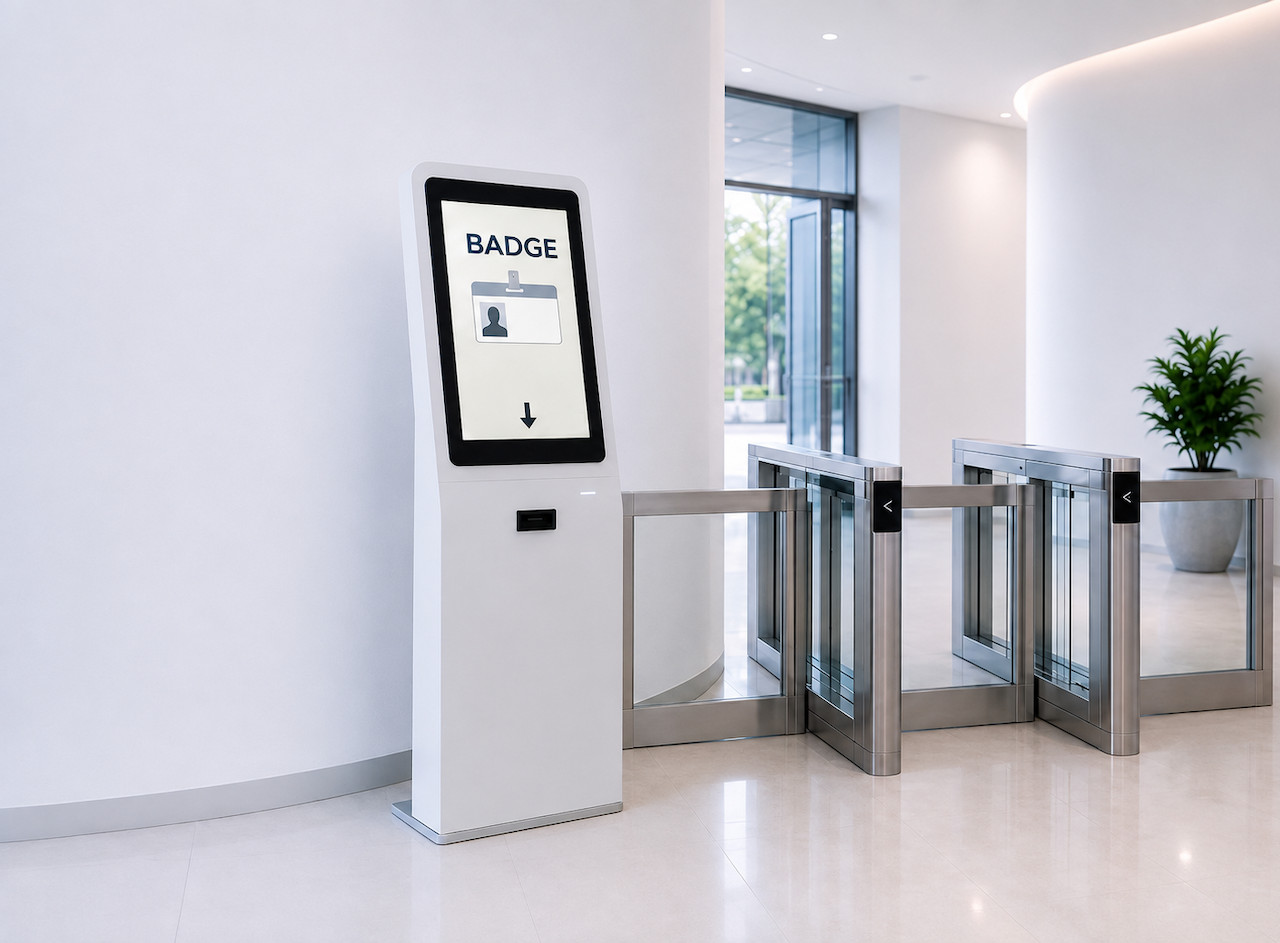
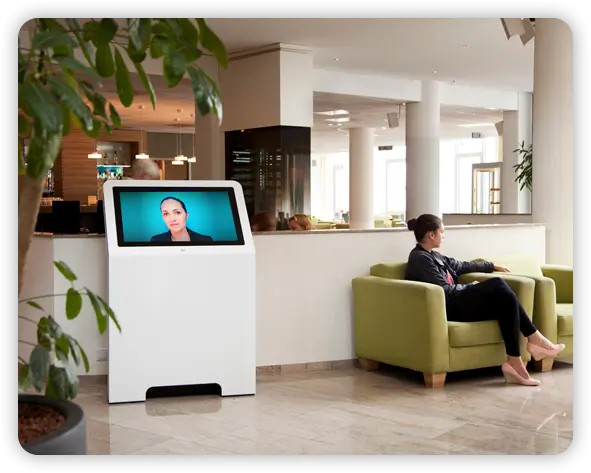
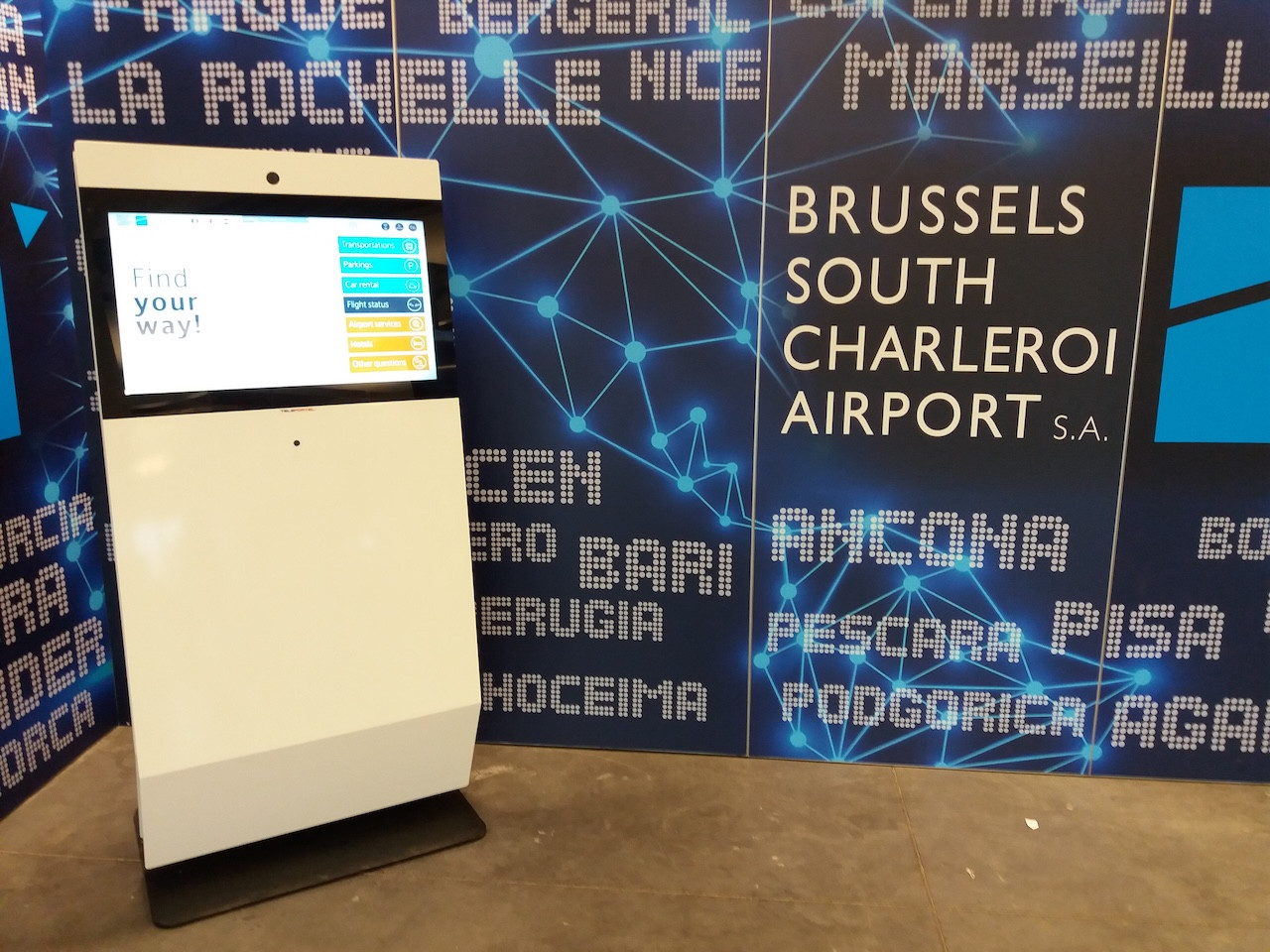
A traditional call centre handles conversations remotely. Teleportel extends that model to physical locations. A centralized operator can communicate with a visitor at the reception point while the Teleportel platform manages the digital and physical workflow around that conversation.

Teleportel is designed for organizations that want to centralize reception assistance instead of placing a dedicated receptionist at every entrance. Routine steps can be automated, while a remote person can become available when a visitor needs live help.
For organizations comparing call center services, call answering services, call handling services and outsourced customer care, Teleportel connects remote human assistance with the technology at the physical entrance.
| Connected service capability | Teleportel solution coverage |
|---|---|
| Remote Call Center Support for Reception | ★★★★★ |
| Live Video Reception & Human Assistance | ★★★★★ |
| Call Answering & Visitor Assistance Workflows | ★★★★★ |
| Centralized Call Handling Across Locations | ★★★★★ |
| Automated Visitor Check-In & Check-Out | ★★★★★ |
| QR, eID & Passport Identification Workflows | ★★★★★ |
| Document & Reception Workflows | ★★★★★ |
| Host Notifications & Visitor Routing | ★★★★★ |
| Badge & Temporary Credential Workflows | ★★★★★ |
| Access Control & Secure Entry Integration | ★★★★★ |
| Automation Before & After Human Assistance | ★★★★★ |
| Multi-Site Contact Center Reception | ★★★★★ |
Capability overview: the stars summarize solution areas presented on this page; they are not customer-review ratings or an independent third-party score. Exact functionality depends on the selected Teleportel configuration, peripherals and integrations.
Teleportel creates a bridge between a remote service team and the real-world reception environment, allowing people, automation, kiosks and connected building systems to work as one service journey.
Connect visitors at an entrance with a remote service person when live assistance is required.
Use remote assistance as part of a broader reception journey, with the surrounding visitor process managed digitally.
Route reception requests to the appropriate remote operator, team, host or next workflow step.
Give visitors access to personal help while retaining the speed and consistency of automated reception.
Support people who initiate contact from the reception point and need information, guidance or escalation.
Trigger notifications and follow-up actions from visitor events so the right employee or service team can respond.
Combine remote assistance with configured QR, eID, passport and visitor-identification processes.
Connect validated reception workflows with badges, temporary credentials, doors, speedlanes and access systems.
Centralize reception support so a remote team can serve multiple offices, entrances or facilities.
These demonstrations show why Teleportel is different from a conventional call answering service. The visitor is physically present, while assistance can be delivered remotely and the reception workflow remains connected. Press play when ready — audio is important.
See how a remote service experience can become part of the reception journey instead of being limited to a telephone conversation.
When automation is not enough, a remote person can provide the human interaction that makes customer care personal and practical.
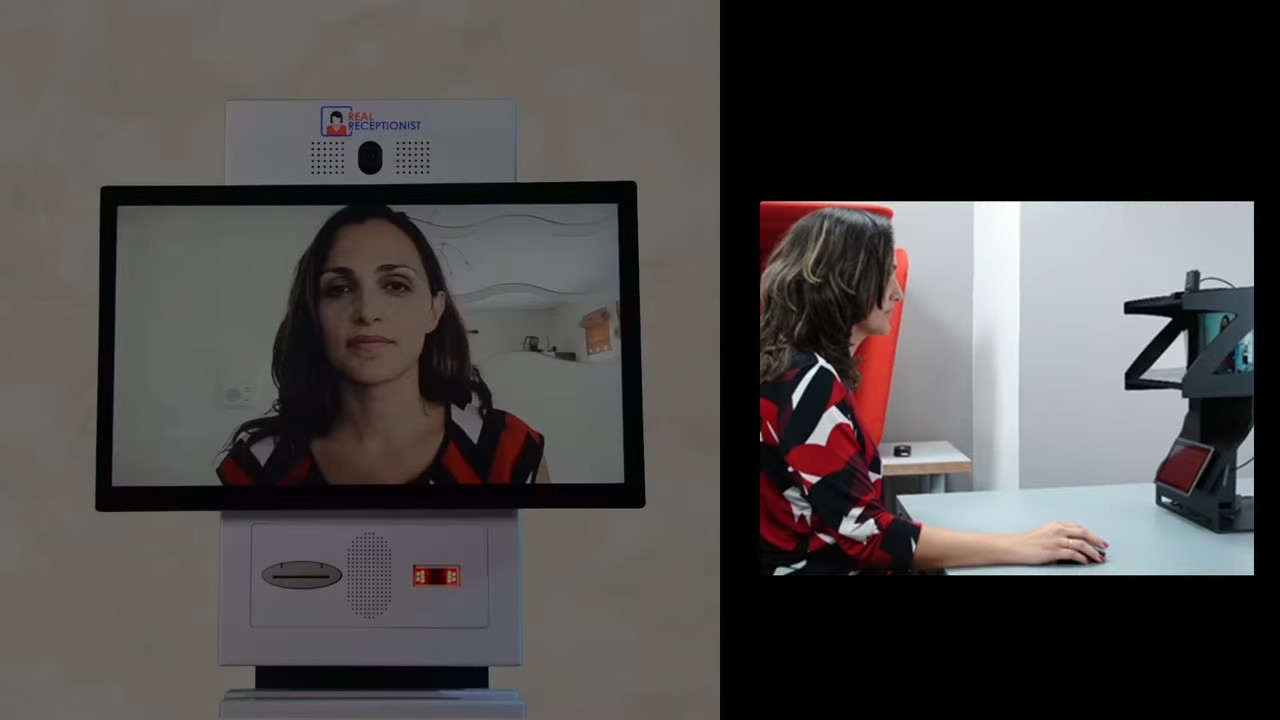
Organizations often outsource call center work to centralize service and reduce the need for local teams. Teleportel applies the same operating model to reception: centralize live assistance, automate repeatable steps and connect the remote team to the entrance through one configurable platform.
EXPLORE THE MODELDirect answers for organizations comparing call centers, contact centers, call answering, call handling and outsourced customer-care solutions.
Answer: A call center is a centralized operation that handles customer or business communications, traditionally by telephone. Modern contact-center models can extend service across additional channels. Teleportel extends centralized assistance into the physical reception environment by connecting remote people with visitors at an entrance.
Answer: Teleportel connects remote human assistance with digital reception technology. A remote operator can support a visitor while the platform manages configured steps such as check-in, identification, host notification, visitor information, badges, access workflows and automation.
Answer: “Call center” usually emphasizes telephone-based service, while “contact center” is a broader term for customer interaction across channels. Teleportel adds another interaction point: the physical reception desk, where a visitor can receive remote human assistance through connected reception technology.
Answer: Reception assistance can be centralized so a remote team supports multiple physical locations. Teleportel provides the reception-side technology and workflows that connect visitors to that remote operation while automating repetitive steps around the interaction.
Answer: Conventional call answering services handle telephone calls. For a physical office, Teleportel can extend remote answering and assistance to visitors standing at the entrance, creating a virtual reception experience supported by kiosks, live communication and automated workflows.
Answer: A visitor interaction can be routed to remote assistance when required. Before, during or after that interaction, configured workflows can handle visitor registration, identification, notifications, instructions, credentials and access-related actions.
Answer: Teleportel can connect a remote customer-care team with the physical reception environment. This allows organizations to combine personal assistance with self-service and automation instead of choosing between an entirely staffed desk and an entirely unattended entrance.
Answer: Teleportel is positioned as the technology platform that enables remote and automated reception. It can support an outsourced or centralized service model, but its key role is connecting the remote service operation with kiosks, visitor workflows, identity tools, access systems and physical entrances.
Answer: For reception, an outsourcing solution can centralize human assistance away from each individual location. Teleportel supplies the digital reception layer so the remote team can interact with visitors while routine reception processes are standardized and automated.
Answer: If visitors initiate contact from a reception point, a centralized or outsourced team can provide inbound assistance. Teleportel connects that conversation to the visitor journey so the interaction can lead into the appropriate digital, host-notification or access workflow.
Answer: Teleportel's reception workflows can trigger outbound actions such as host notifications and routing when visitor events occur. Organizations requiring broader outbound campaigns or telesales should distinguish those needs from Teleportel's reception and visitor-management use case.
Answer: Consider how the service handles live assistance, escalation, availability, multiple locations, security and integration with your existing processes. For physical reception, also consider whether the solution can connect the remote service team with identity, visitor, badge and access workflows.
Answer: Business call center services centralize communication and support functions for an organization. Teleportel adds a physical-location dimension by allowing centralized assistance to serve reception points and visitor entrances as part of the same remote operating model.
Answer: Not every visitor interaction requires a person. Automation can handle predictable steps, while a remote operator becomes available for exceptions, questions or situations where human communication adds value. This creates a hybrid service model that combines efficiency with personal assistance.
Answer: A centralized remote team can be used to support multiple reception points when the deployment and operating model are configured for that purpose. Teleportel's multi-site approach is designed to standardize the reception technology and workflows across locations.
Answer: No. Centralization can also improve consistency, extend specialist assistance across locations and create a common visitor process. Teleportel additionally allows repetitive reception tasks to be automated so remote people can focus on interactions that genuinely need human assistance.
Teleportel can combine automated reception with live support in one controlled visitor journey.
The visitor starts at the Teleportel reception point using the configured kiosk or reception interface.
Routine check-in, identification and visitor steps can be completed digitally when appropriate.
If assistance is needed, the visitor can connect with a remote person rather than waiting for local reception staff.
The remote operator answers questions, provides guidance and helps move the visitor through the required process.
Host notifications, visitor routing, credentials and other configured actions can follow the interaction.
The visitor continues through the authorized access process while the visit remains part of the managed reception workflow.