
VIRTUAL RECEPTION
Understand the experience behind the price
Evaluate the complete visitor experience and the technology supporting it, rather than comparing only an answering-service headline fee.
Virtual receptionist cost depends on what you actually want to virtualize. Teleportel can combine digital reception, visitor management, AI-supported automation, live remote reception, kiosks, identity and document workflows, badges and access-control integrations. The right price starts with the right configuration.
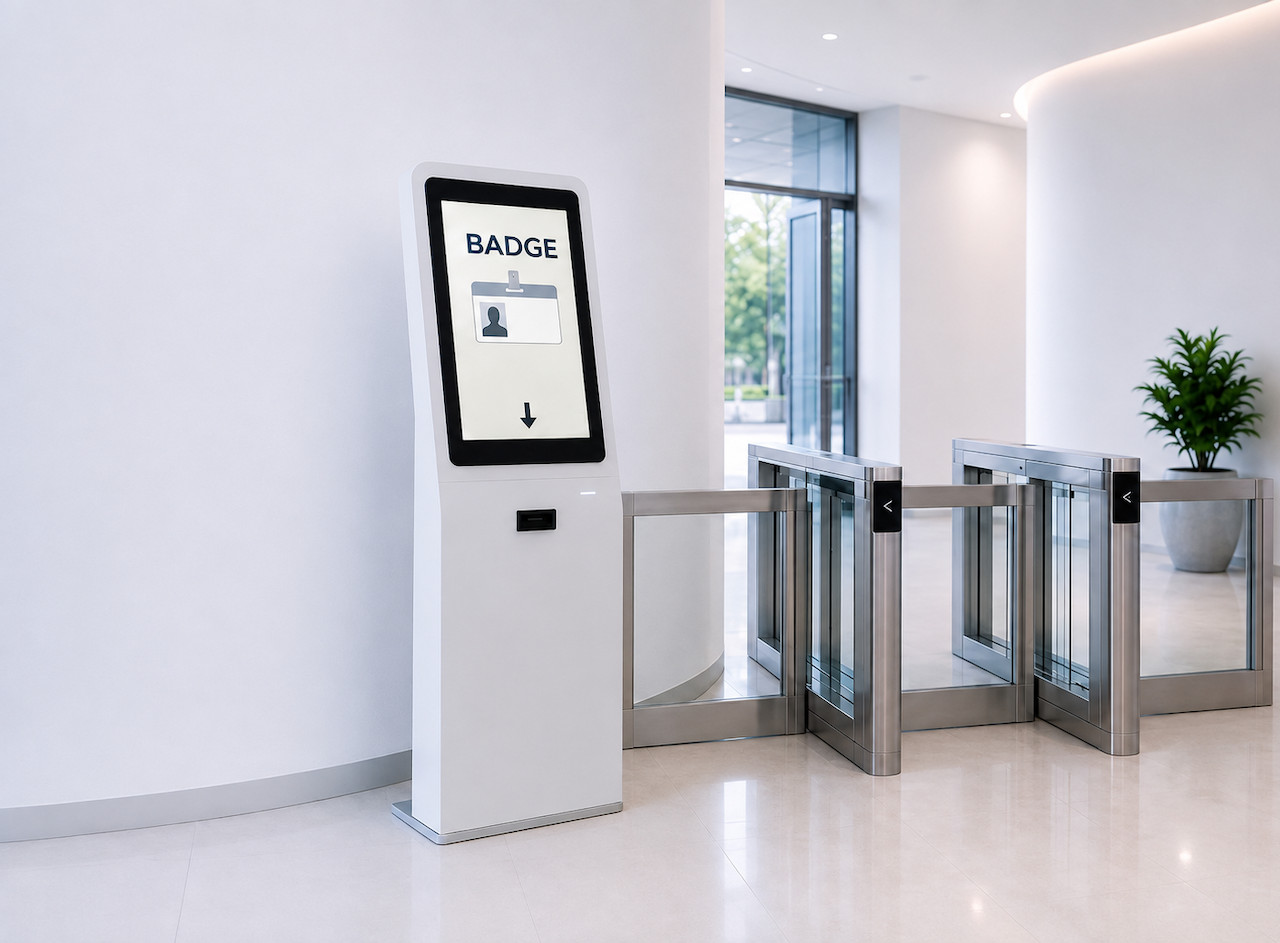
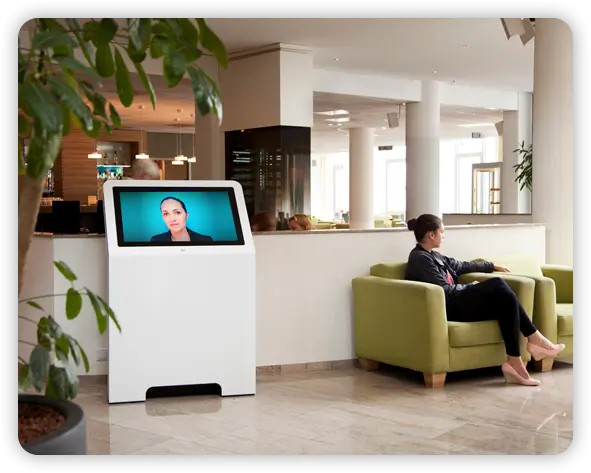
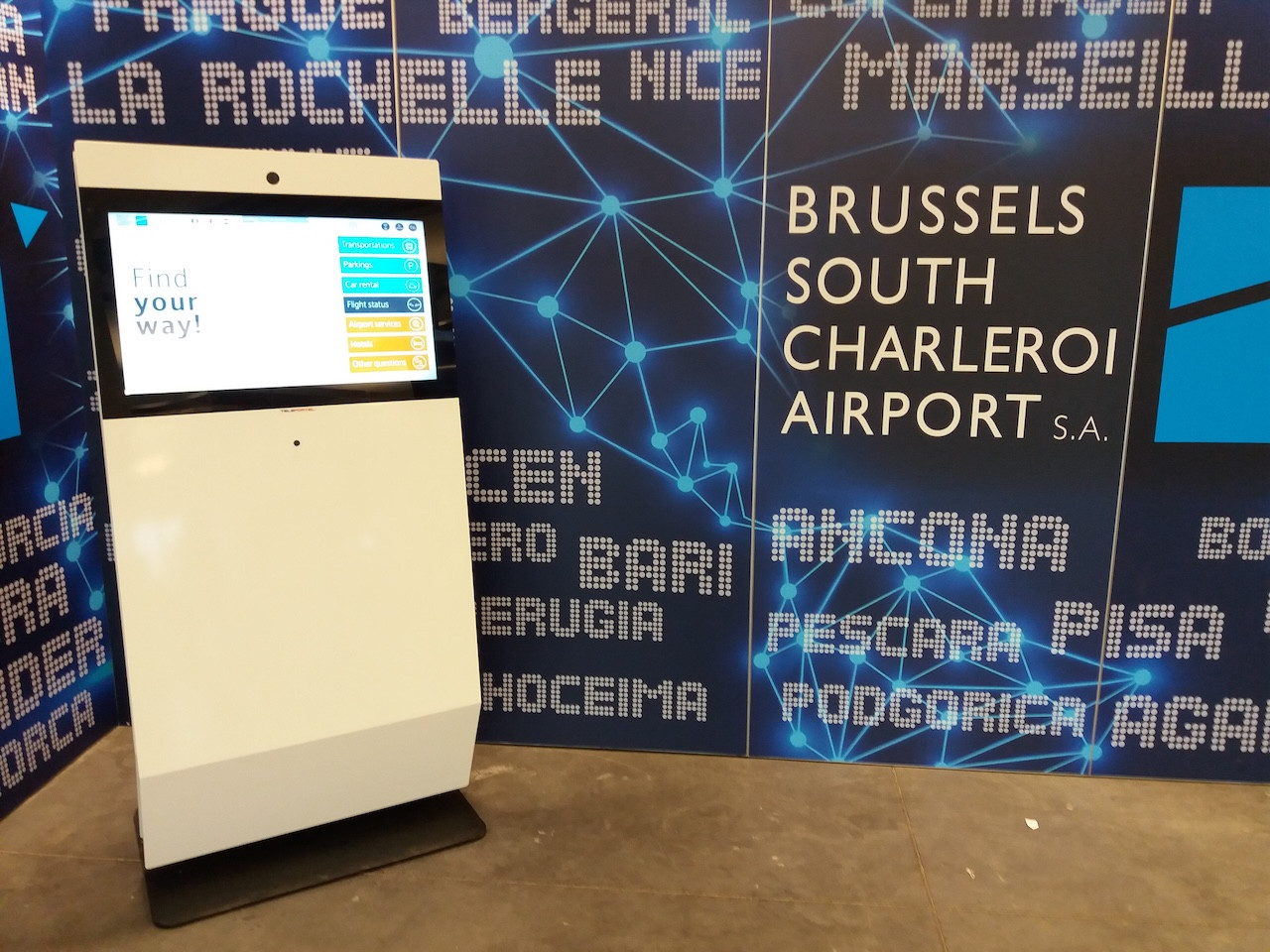
A basic answering service, a remote receptionist and a complete virtual reception platform can all appear under the same search term, but they solve different problems. Teleportel connects the visitor's physical arrival with software, automation, live remote assistance and building systems. That makes virtual receptionist pricing a configuration question, not simply a price-per-call question.

The cost changes according to the reception responsibilities you want Teleportel to handle and the technology required at each location.
A meaningful comparison looks beyond the headline monthly price and checks which parts of the real reception journey are included.
| Pricing consideration | Importance when comparing |
|---|---|
| Visitor Management Software | ★★★★★ |
| Digital Reception & Self-Service | ★★★★★ |
| Live Remote Reception | ★★★★★ |
| AI-Supported Automation | ★★★★★ |
| Reception Kiosk / Hardware | ★★★★★ |
| Identity & Passport Workflows | ★★★★★ |
| Document & Form Workflows | ★★★★★ |
| Badges & Visitor Credentials | ★★★★★ |
| Access-Control Integration | ★★★★★ |
| Number of Reception Locations | ★★★★★ |
| Required Human Service Coverage | ★★★★★ |
| Integrations & Deployment Scope | ★★★★★ |
Pricing comparison guide: the stars indicate important areas to evaluate; they are not customer ratings. This page intentionally does not invent Teleportel prices, discounts, flat rates or pay-per-call fees. Current pricing should come from a configuration-specific Teleportel proposal.
Instead of forcing every organization into one generic plan, start with the operational requirements and build the reception around them.
The number of offices, entrances and reception points influences the deployment and hardware scope.
Decide which visitor steps should happen automatically and where human assistance should remain available.
Required operating hours, service coverage and remote-human workflows affect the service model.
Reception terminals and selected peripherals form part of a physical virtual-reception deployment.
QR, eID, passport and other identity requirements determine which workflow components are needed.
Badge printing, credentials, scanning and document processes can add capabilities to the reception journey.
Doors, speedlanes and building-security integrations require a different scope than visitor registration alone.
Connections with existing business, visitor, security or building systems should be included in the project scope.
Centralizing reception across locations can change how human resources and technology are allocated.
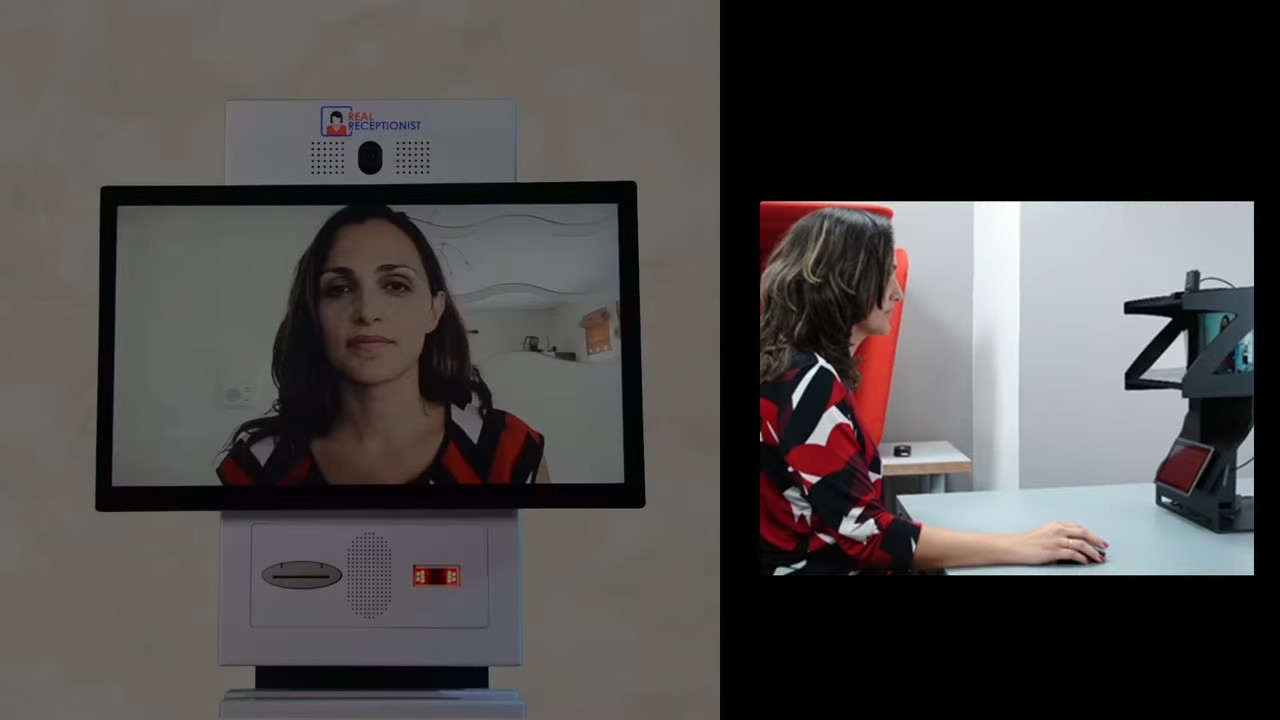
These demonstrations show why the scope matters. Teleportel can connect live human assistance to a physical reception point while digital workflows support the interaction. Press play when ready — audio is important.
Evaluate the complete visitor experience and the technology supporting it, rather than comparing only an answering-service headline fee.
A hybrid configuration can automate routine steps while making a remote person available when the visitor genuinely needs help.
A useful Teleportel proposal begins with your sites, visitor journey and required capabilities. That makes it possible to separate essential functionality from optional components and compare the proposed virtual reception with the real operating model it may replace or improve.
EXPLORE PRICING QUESTIONSDirect answers for organizations comparing virtual receptionist prices, answering-service pricing and the cost of a complete virtual reception.
Answer: The cost depends on what the reception solution must do. A simple answering service and a Teleportel reception deployment are not directly comparable: Teleportel can combine kiosks, visitor management, live remote reception, AI-supported workflows, identity tools, peripherals and access-control integrations. A useful quote therefore starts with the required workflow, locations, hardware and service coverage.
Answer: There is no single meaningful price for every virtual receptionist model. Pricing can vary according to whether you need software only, live remote assistance, AI automation, reception hardware, identity verification, badges, document workflows, access integrations or a multi-site deployment.
Answer: The main cost drivers are the number of reception points, selected Teleportel modules, kiosk or peripheral requirements, live-service coverage, identity and document workflows, integrations, access-control requirements and the complexity of the visitor journey.
Answer: Virtual receptionist cost often refers to the human or answering-service component. Virtual reception cost can be broader because it may include software, kiosks, automation, visitor management, remote video assistance, identity tools and integrations with the physical building.
Answer: Teleportel is modular, so organizations can select the reception building blocks relevant to their operation rather than treating every deployment as identical. Whether a configuration is affordable depends on the required functionality, locations and operating model, so the correct comparison is based on total reception requirements rather than a generic headline price.
Answer: The goal should be the right reception configuration rather than the lowest advertised price. A low-cost answering service may cover only communication, while a Teleportel deployment can also automate visitor workflows and connect with physical reception systems. Compare scope carefully before comparing price.
Answer: Compare what is actually included: live answering, video assistance, visitor registration, automation, identity verification, badges, document handling, host notifications, access control, reporting, integrations, support and the number of locations. A cheaper headline can represent a much narrower service.
Answer: Pricing structure depends on the selected commercial configuration and service model. Organizations interested in predictable budgeting should define their required modules, sites, hardware and live-service needs and request a current Teleportel proposal rather than assume a flat-rate plan.
Answer: This page does not claim that Teleportel uses pay-per-call pricing. Teleportel is a broader reception platform, so commercial terms should be evaluated against the actual combination of software, hardware, automation, integrations and any live remote assistance required.
Answer: Pricing plans in the market can be based on minutes, calls, users, locations or bundled service levels. For Teleportel, the more useful approach is to scope the reception solution: determine which digital, virtual, remote, AI, hardware and integration components are needed and obtain pricing for that configuration.
Answer: An answering-service price usually focuses on handling conversations. Teleportel can cover a much larger part of the reception journey, including visitor self-service, live remote video, host notification, identity workflows, credentials and access integrations. Compare total capability and operating impact, not only answering minutes.
Answer: The exact inclusion depends on the selected proposal. Potential solution areas include visitor-management software, digital reception, virtual reception, remote reception, AI-supported automation, kiosks and peripherals, identification workflows, badge processes and building or access-control integrations.
Answer: Start with the number of locations and reception points. Then define visitor volume, operating hours, required human assistance, automation level, identification requirements, peripherals, badge needs, access-control connections and other integrations. That scope provides a much stronger basis for a quote.
Answer: Automation can reduce the amount of repetitive work that requires human attention. In a Teleportel model, predictable visitor steps can be completed digitally while remote people are used when conversation, judgment or exception handling is valuable. The actual financial effect depends on the organization's current operation and chosen configuration.
Answer: A centralized reception model can allow a remote team to support multiple locations, while Teleportel standardizes the reception technology and workflows at each site. The practical staffing and cost model depends on visitor demand, service levels and the selected deployment.
Answer: Not necessarily. A complete physical reception solution may involve software, kiosks, cameras, scanners, badge equipment, identification devices, access-control integration and live-service components. Those requirements should be separated clearly when evaluating a proposal.
Answer: Medical environments can have specialized workflow, privacy, security and integration requirements. This page does not publish a generic medical-reception price or claim that one configuration fits every healthcare setting. A medical deployment should be scoped against its actual operational and compliance requirements.
Answer: Law firms may need specific visitor confidentiality, host notification, identity, document and access workflows. Rather than assume a generic legal-sector plan, the reception requirements should be mapped first and priced according to the selected Teleportel configuration.
Answer: Create a like-for-like requirements list. Compare reception hours, human coverage, automation, visitor management, hardware, identity checks, badges, integrations, access control, multi-site capability, reporting and support. This avoids comparing a basic answering service with a complete reception platform as if they were the same product.
Answer: A current quote should be based on your actual deployment requirements. Define your sites, reception points, desired workflows, automation, hardware, live-assistance needs and integrations, then use Teleportel's current commercial process to obtain pricing.
A clear scope produces a more useful comparison than starting with an arbitrary per-call or monthly figure.
List every entrance, reception point and site that the solution needs to cover.
Identify what reception currently does from arrival through departure.
Separate repeatable self-service steps from interactions that should remain human.
Identify kiosk, identification, scanning, badge and other peripheral requirements.
Document access-control, building, security and business-system connections.
Use the completed scope to obtain a current configuration-specific commercial proposal.